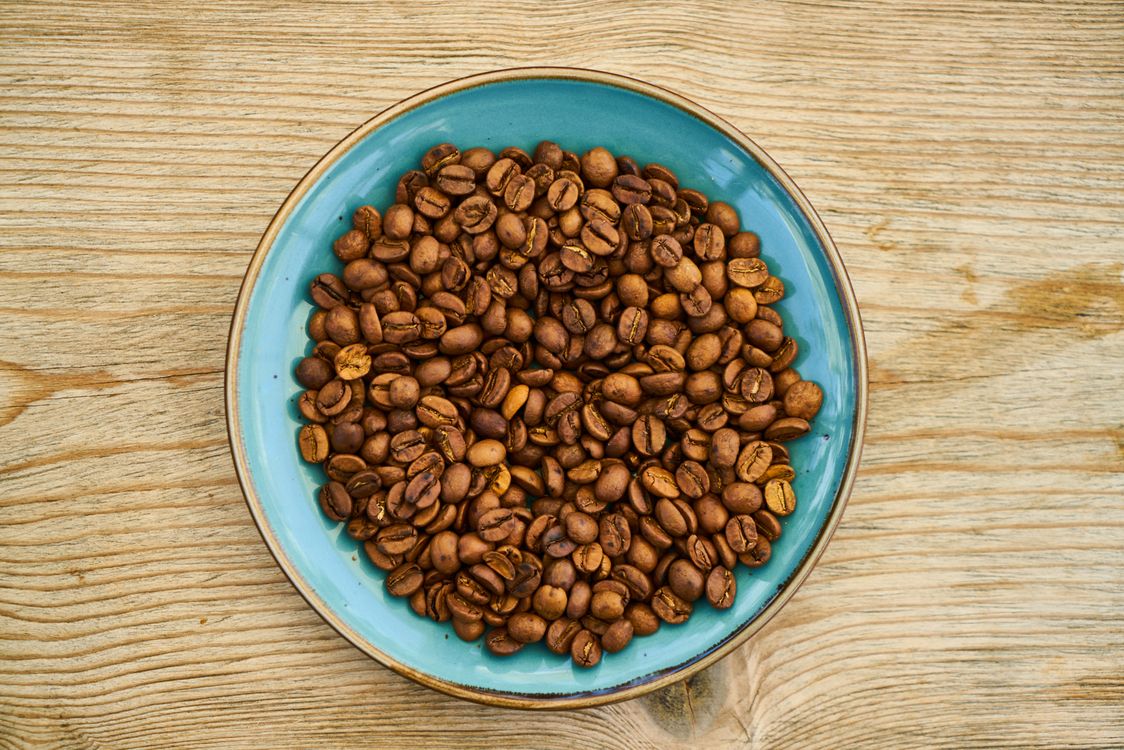
Open any pour-over bar in Brooklyn or Berlin and ask for a recommendation, and there is a reasonable chance you will be steered toward an Ethiopian. Ask in an espresso-first café in Milan or Madrid, and the suggestion will almost certainly involve Colombia or Brazil. This is not a coincidence. The two origins genuinely do shine under different conditions — but the conventional wisdom about which belongs where gets about one thing right and one thing badly wrong.
To test the received wisdom, we ran a blind tasting. Two beans, three methods, six cups, five tasters. Here is the setup, the scoring, and the results.
/ 01The contenders
Both bags were three days off-roast at tasting. Both were weighed to within 0.1g. Both were ground fresh for each method.
/ 02The methods
We brewed each origin three ways:
- V60 pour-over — 15g coffee, 250g water at 94°C, 2:45 total time, medium-fine grind
- Espresso — 18g in, 36g out, 28 seconds, 93°C group temperature, fresh basket per shot
- Aeropress — 15g coffee, 220g water at 85°C, 2:00 steep, metal filter, inverted method
Each of the five tasters received six numbered cups in random order. No indication of origin or method. Scoring was on three axes: clarity (how distinct are the flavors), balance (how well do the elements play together), and overall pleasure (would you drink this again). Each axis was rated 1-10.
/ 03Results, by method
Pour-over — Ethiopia wins, cleanly #8B4513
The V60 is where the Ethiopian earned its reputation. Average score: Ethiopia 8.4, Colombia 6.9. Every taster put the Ethiopian cup first on this method. The notes tasters wrote, independently, converged: "tea-like," "floral," "long finish that keeps changing," "feels like three different sips in one cup."
The Colombian in the V60 was not bad — it just felt muted next to the Ethiopian. The milk chocolate was there, the caramel was there, but the cup as a whole lacked the acidity that makes V60 coffee "alive." Two tasters described it as "good but a little flat."
Espresso — Colombia wins, less cleanly #D4A574
At the espresso bar, the Colombian's score improved dramatically. Average score: Colombia 7.8, Ethiopia 6.4. Four out of five tasters preferred Colombia here. The fifth — notably, the one who drinks his espresso the blackest and prefers washed African coffees generally — preferred the Ethiopian, which he described as "a cup that knows what it wants to be."
The interesting failure mode: the Ethiopian espresso was intense but also astringent. Pulled as a shot, the delicate floral notes that sang in the V60 turned into a lemon-pith bite. Tasters used words like "aggressive" and "pointy." The conventional wisdom — light-roasted Africans don't make good espresso — is directionally right, but "directionally" is doing work in that sentence. A well-pulled Yirgacheffe shot is a specific pleasure. It just is not a crowd-pleasing espresso.
Aeropress — a near-tie #A0522D
This was the surprise. Average scores: Ethiopia 7.6, Colombia 7.4. Statistically indistinguishable. Three tasters preferred the Ethiopian, two preferred the Colombian, and one of those preferred the Colombian by a single point.
What the Aeropress does, mechanically, is compress the difference between origins. The shorter extraction time and lower water temperature mute the volatile top-notes that make the Ethiopian distinctive on V60, while the metal filter adds enough body to make the Colombian feel rounder than it does as pour-over. The result is a method that favors neither origin, and that is useful to know when you are shopping for beans.
/ 04The spreadsheet view
/ 05What to actually do with this
- If you brew one method and one method only, buy for that method. Pour-over-only household? Ethiopian. Espresso-only household? Colombian. No surprises.
- If you brew multiple methods and want one bag to work across all of them, buy Colombian. The lower method-volatility makes it more forgiving. You will not get a peak experience on any method, but you will not get a disaster either.
- The "buy an Ethiopian for Aeropress" recommendation you see on Reddit is about half right. The method does not reward the Ethiopian the way pour-over does. It does not punish it either. It is a wash.
- Do not drink Ethiopian as espresso unless you know what you are getting into. Not "bad coffee." Specific coffee. Tasting notes that belong on the lemon shelf, not the chocolate shelf.
/ 05Why processing changes the same origin so much
Origin is only half the story. Processing — what happens to the coffee cherry after it is picked — can change a cup as much as the country it grew in. In a washed process, the fruit is removed before drying, which tends to produce a cleaner, brighter cup where acidity and floral or citrus notes are easier to pick out. In a natural process, the cherry dries whole, and the bean spends longer in contact with the fruit, which tends to add body and fruit-forward sweetness. The same farm, processed two ways, can taste like two different coffees.
This is why tasting notes should be read as a guide, not a promise. A washed Ethiopian coffee is often described in floral and citrus terms, while a natural Ethiopian coffee is often described in berry and stone-fruit terms, but the specific lot, the altitude, the varietal, and the roast level all push the result in one direction or another. Altitude matters because coffee grown higher generally matures more slowly, which can concentrate flavour, but altitude alone does not guarantee a good cup. Harvest care, drying conditions, and sorting matter just as much, and none of them appear on most bags in detail.
For brewing, the practical adjustment is small but real. A brighter, washed coffee usually rewards a slightly finer grind or a slightly longer drawdown, because there is more acidity to balance and more clarity to protect. A heavier, natural-process coffee usually rewards a slightly coarser grind or a shorter steep, because over-extraction will turn its sweetness muddy. These are starting points, not rules. The reliable method is the same as ever: brew, taste, change one thing, brew again, and write down what changed.
Buying advice follows the same logic. Look for a roast date, not just a best-before date. Ask how the coffee was processed if the bag does not say. Buy a smaller amount of a coffee you have not tried before, and only buy more once you know how it behaves in your brewer, with your water, at your usual dose. Origin comparisons are most useful when they teach you what you like, not when they settle which country wins. The point of a blind tasting is not to crown a champion. It is to learn, cup by cup, which flavours you actually reach for on a normal morning.
More coffee writing in this section — no signup, no preorder, just the journal.
More in Brew →